Cement Fiber Board Houses
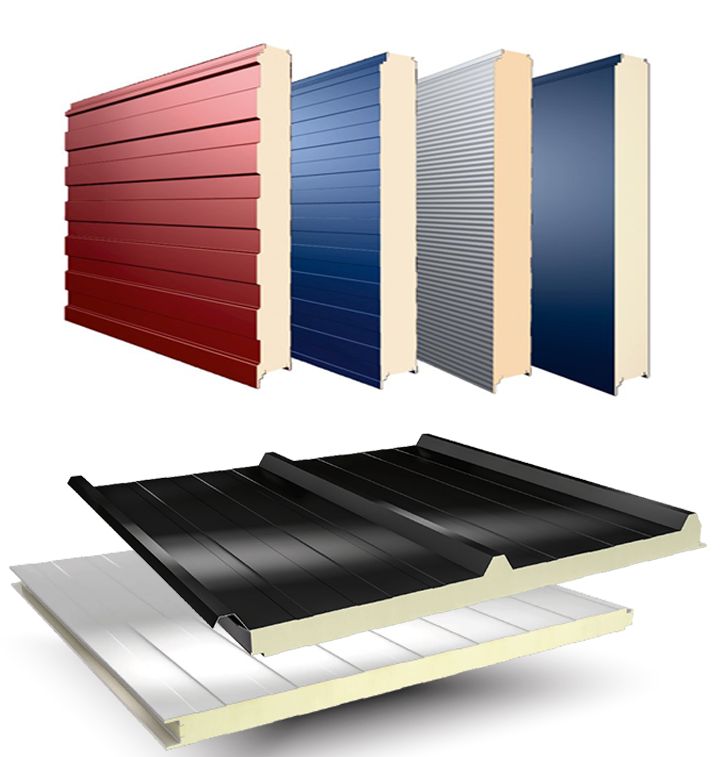
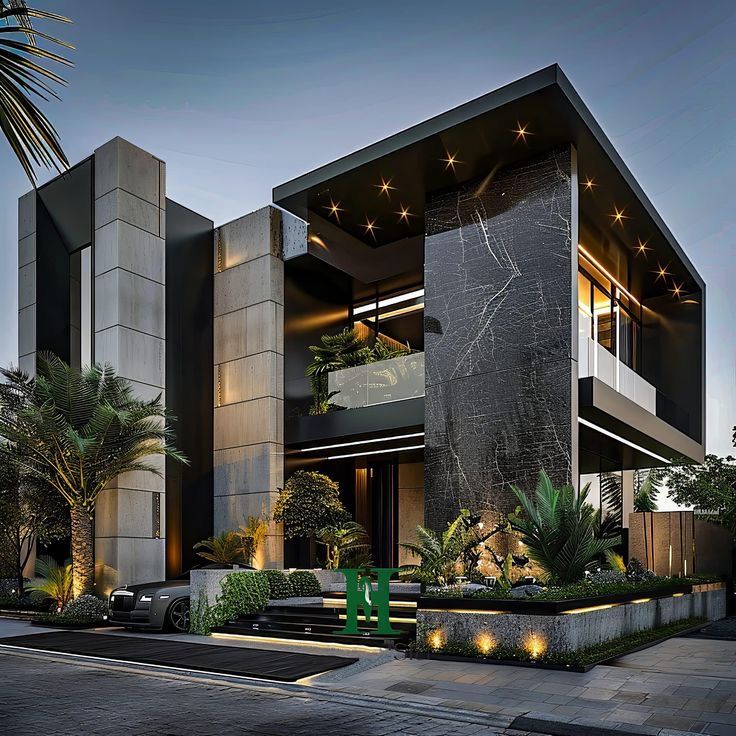
Cement fiber board houses are lightweight, durable structures built using high-strength fiber cement panels fixed over a steel or structural framework. These panels are moisture-resistant, termite-proof, and fire-resistant, making them suitable for fast and efficient construction. This system is commonly used for residential homes, site offices, farmhouses, staff quarters, and temporary or semi-permanent structures.
Faster Construction
Cement fiber board houses use a dry construction method. Panels are pre-manufactured and fixed onto a steel or structural frame on-site. There is no long curing time like conventional RCC construction. This significantly reduces project timelines — often cutting construction time by 40–60% depending on size and design. Faster build time means quicker occupancy and lower indirect costs (labor, supervision, site expenses).
Cost Efficiency
The structure is lighter than traditional brick and concrete buildings. That means: Reduced foundation cost Lower material transportation cost Faster labor execution Less on-site waste Because the system is modular and predictable, budgeting becomes more controlled. However, this does not mean “cheap.” Quality steel framing and proper installation are critical — cutting corners will compromise strength.
Durability & Low Maintenance
Fiber cement boards are: Moisture-resistant Termite-proof Fire-resistant Corrosion-resistant They do not warp like plywood or rot like wood. With proper sealing and finishing, the structure remains stable and requires minimal maintenance over time.
Thermal Insulation
Thermal insulation systems are designed to reduce heat transfer through walls and roofing, enhancing indoor thermal stability while improving overall energy performance.
Roof Thermal Performance
The roof is the biggest heat entry point in a building.
Proper insulation:
Blocks direct solar heat gain
Reduces ceiling surface temperature
Prevents heat buildup inside rooms
Keeps top-floor spaces significantly cooler
Without insulation, your AC fights the sun all day.
With insulation, heat doesn’t enter in the first place.
Result:
Lower cooling load + better indoor stability.
Interior Comfort
Comfort isn’t just about AC.
It’s about:
Stable indoor temperature
Reduced hot spots near walls or ceilings
Lower humidity swings
Improved acoustic softness
Thermal insulation reduces temperature variation between:
Day vs night
Ground floor vs upper floor
Wall-side vs center of room
Result:
Consistent living comfort — not just temporary cooling.
Energy Efficiency
Every degree of unwanted heat entering the home increases:
AC usage
Power consumption
Running cost
Thermal insulation:
Reduces cooling demand
Helps AC reach temperature faster
Keeps cool air inside longer
Result:
Lower electricity bills and reduced energy waste.